


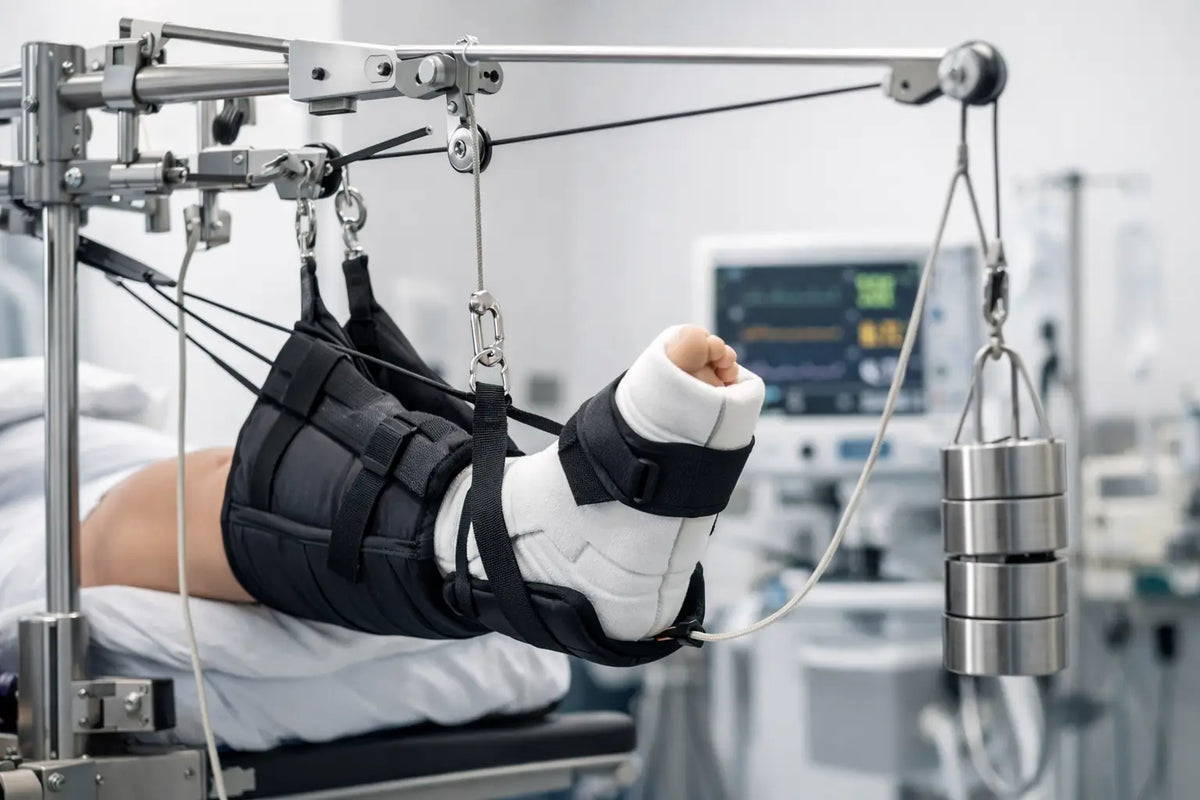
A traction system setup is not an accessory decision for a treatment room. It determines how consistently you can position patients, control force, protect practitioner ergonomics, and repeat a prescribed protocol from one visit to the next. When the table, traction unit, patient supports, and room layout work as one system, traction becomes a controlled clinical intervention rather than a time-consuming workaround.
For chiropractic, physiotherapy, and multidisciplinary rehabilitation clinics, the standard should be clear: build the setup around treatment precision first, then workflow, patient access, and long-term equipment reliability.
Start the Traction System Setup With the Clinical Application
The right configuration depends on what you intend to treat and how your practitioners work. Cervical traction, lumbar traction, decompression-oriented protocols, and flexion-distraction applications place different demands on the table surface, stabilization method, patient position, and force delivery.
A clinic focused primarily on lumbar conditions may prioritize a stable pelvic section, reliable patient restraint options, and a table geometry that supports supine or prone treatment without forcing awkward transfers. A practice treating more cervical presentations may need precise head and neck positioning, easy adjustment of the cervical component, and clear access for the clinician to reassess symptoms during treatment.
Do not choose a system based on traction capability alone. Consider whether the table will also be used for manual therapy, adjustment work, exercise instruction, or post-treatment reassessment. In a high-volume clinic, equipment that handles multiple treatment applications can improve room utilization, but only if it does not compromise the controls or support required for traction.
The protocol matters, too. Some practices use short, intermittent traction sessions within a broader treatment plan. Others need longer treatment cycles with carefully monitored positioning. The more repeatable the protocol, the more valuable motorized adjustments, indexed settings, stable restraint points, and clearly accessible controls become.
Build Around Positioning, Not Just Pulling Force
Force is only one part of traction. If the patient is poorly positioned, slides on the table, braces against the pull, or cannot relax comfortably, the programmed force may not translate to the intended therapeutic effect.
For lumbar traction, begin with the patient’s ability to enter and exit the table safely. A powered hi-lo table can reduce the transfer challenge for older adults, post-operative patients, and patients with limited mobility. Once the patient is positioned, the surface should provide stable support without excessive sinking or movement. Pelvic and thoracic stabilization must be secure enough to limit unwanted compensation while remaining tolerable for the duration of treatment.
For cervical applications, head position requires the same discipline. The patient should be supported in a neutral, flexed, or extended position only as indicated by the treatment plan and device instructions. A system that makes fine positioning difficult invites inconsistency between providers and between visits.
Comfort is a clinical variable, not a luxury feature. Poorly designed straps, inadequate cushioning, unstable sections, or difficult table access can increase guarding and reduce patient confidence. That is particularly relevant when a patient is already apprehensive about spinal symptoms. A stable, professional setup gives the clinician a better starting point for communication and reassessment.
Match Table Capacity to Your Patient Population
Weight capacity should be evaluated as a working specification, not a marketing detail. The table must support the patient safely while accounting for the stresses created by elevation, section movement, traction components, and repeated use throughout the day.
For clinics that serve a broad adult patient population, a high-capacity, clinic-grade frame provides a meaningful margin of confidence. It also supports better long-term return on investment. A table that performs well for light, occasional use may not maintain alignment, motor performance, or surface stability under the demands of a busy treatment schedule.
Plan the Room for Access and Control
A strong traction system can still create workflow problems if it is placed like ordinary furniture. Clinicians need room to guide patients onto the table, apply supports, inspect skin contact areas, reach controls, and respond quickly if a patient reports discomfort.
Leave clearance on both sides of the table whenever possible. One-sided access may work in a narrow room, but it limits treatment flexibility and can force the practitioner into poor body mechanics. Allow additional space at the head and foot ends for attachment points, cervical components, and patient transfer.
Place controls where the treating provider can reach them without leaning over the patient or walking across the room. If the system uses a handheld controller, foot control, touchscreen, or integrated motorized functions, establish a consistent storage position that keeps cords protected and controls visible. Loose cables near transfer paths are an avoidable risk and an unnecessary source of wear.
The room should also support observation. A patient undergoing traction should not be visually isolated behind storage cabinets, partitions, or an awkward table orientation. Depending on the prescribed protocol and your clinic policies, the provider may need to monitor comfort, check for symptom changes, or stop treatment promptly. Design the room so observation is practical, not dependent on luck.
Set Up the Equipment in a Deliberate Sequence
Installation should follow the manufacturer’s instructions, local facility requirements, and the training standards of your practice. The goal is not simply to assemble the components. It is to verify that the entire system performs predictably before it is used with patients.
Start by confirming that the table is level, stable, and positioned on flooring that can support its operating load. Test elevation, section movement, locking mechanisms, and traction-related controls through their full intended range without a patient on the table. Check that moving sections clear nearby walls, cabinetry, and accessories.
Then inspect the patient-contact components. Straps, harnesses, head supports, bolsters, and attachment hardware should be intact, clean, correctly routed, and free of visible wear. A restraint that appears minor can become a critical component once force is applied. Replace worn straps and damaged padding before they become a patient comfort issue or a safety concern.
Finally, create a repeatable pre-treatment check. It can be brief, but it should cover table position, attachment security, control function, patient comfort, and access to an immediate stop function where applicable. Consistency protects the patient and reduces the chance that a rushed provider misses a setup detail between appointments.
Standardize Protocols Without Treating Every Patient the Same
A well-designed setup supports standardization, but it should never replace clinical judgment. Patients differ in diagnosis, irritability, body size, mobility, tolerance, and response to previous treatment. The equipment should make it easier to deliver the prescribed parameters accurately, not encourage a one-size-fits-all approach.
Document the variables that matter to your care model: patient position, stabilization method, traction angle, force range, cycle pattern, session duration, and patient response. Clear documentation helps a second provider reproduce the intended setup and makes progress reviews more meaningful.
This is also where integrated motorized tables have an operational advantage. Controlled elevation and positioning can reduce manual handling while helping the practitioner return to a known treatment position. The value is not automation for its own sake. It is repeatability under real clinic conditions.
Train for Communication, Not Just Operation
Every provider and assistant who prepares a patient for traction should understand both the mechanical workflow and the communication sequence. Patients need clear expectations about how they will be positioned, what they may feel, how to report discomfort, and how treatment will be stopped if needed.
Training should include contraindication screening and adherence to the device manufacturer’s instructions and the clinician’s scope of practice. It should also cover practical details: safe transfers, strap placement, emergency release procedures, cleaning requirements, and what to do when a motor, control, or attachment does not perform as expected.
A system is only as dependable as the team using it. Written room procedures and periodic refreshers are especially valuable in clinics with multiple providers, rotating assistants, or several treatment rooms.
Protect Performance With Preventive Maintenance
Traction equipment experiences repeated loading, movement, and patient contact. Small issues rarely stay small in a busy clinic. A loose fastener, frayed strap, drifting table section, or intermittent control can disrupt treatment and create avoidable downtime.
Set a maintenance cadence based on manufacturer guidance and your patient volume. Daily checks can focus on cleanliness, visible wear, cable condition, and basic operation. Scheduled deeper inspections should address moving components, fasteners, upholstery, motors, and calibration or service requirements. Keep service records with the equipment so providers know when an issue started and what corrective work was completed.
Premium treatment equipment earns its value through years of reliable use, not just a strong first impression. A rigid frame, smooth motorized operation, and parts support matter because they help preserve clinical consistency as your schedule grows.
The best traction room does not look complicated. It looks intentional: stable equipment, clear patient access, controlled positioning, trained staff, and a process that lets the clinician focus on the patient rather than fight the setup. Build for that standard, and every treatment session begins on firmer ground.
Share:
A Guide to Decompression Patient Protocols
What Is Flexion Distraction in Chiropractic Care?